
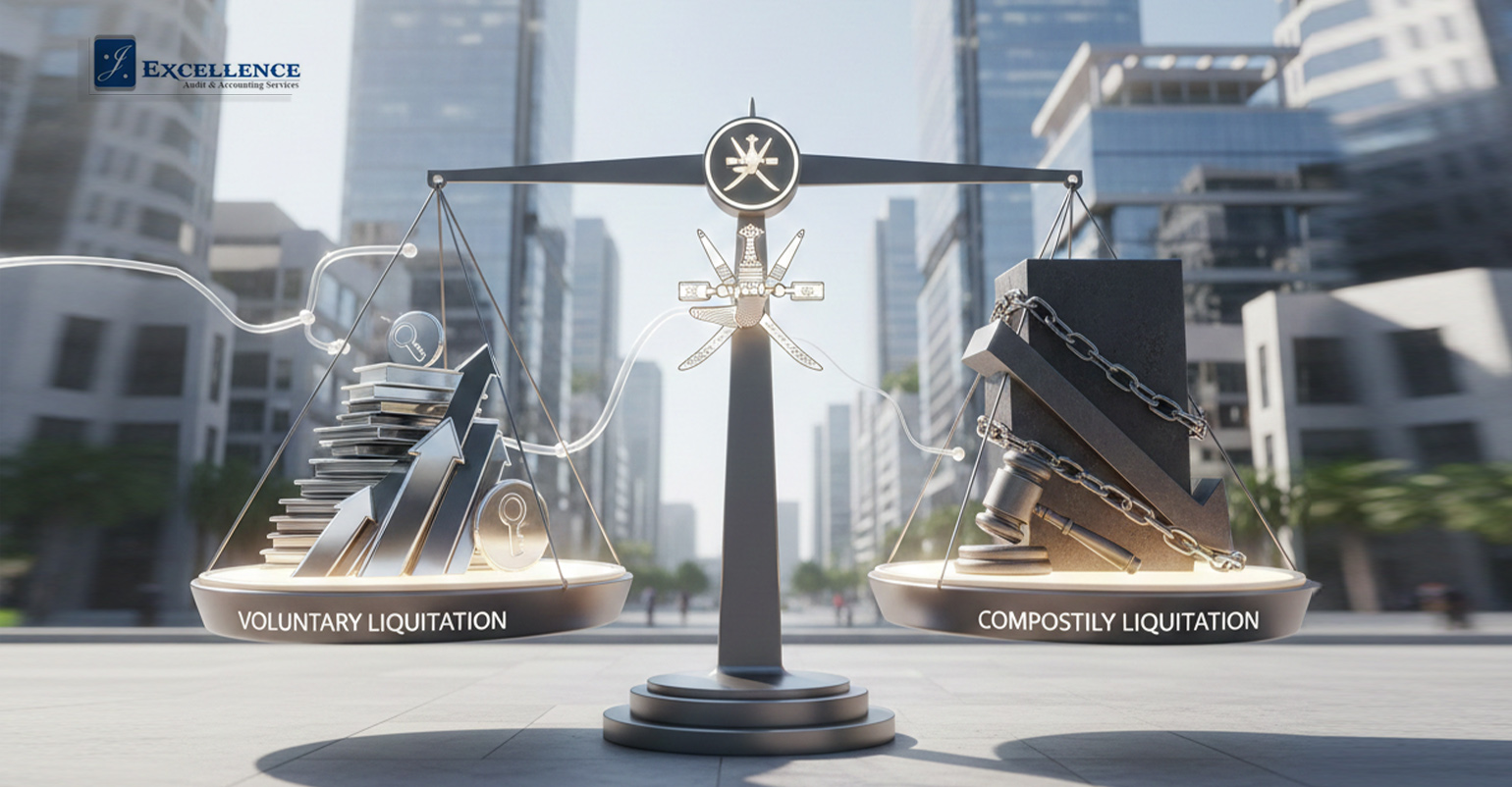
In Oman, formally closing a company isn’t as simple as stopping operations; it involves a legal process called liquidation that settles debts, distributes assets, and deregisters the business with the authorities. Whether you’re a business owner planning an exit or considering professional help from firms like Excellenceoman, audit firms in Muscat for expert liquidation services, understanding the types of liquidation is essentia
What Is Company Liquidation in Oman?
Company liquidation also known as “winding up” is the legally required process of ending a company’s existence after all debts and obligations are settled and remaining assets are distributed to shareholders. This process is governed by Oman’s Commercial Companies Law and aims to protect the interests of creditors, employees, and shareholders alike.
and aims to protect the interests of creditors, employees, and shareholders alike. Once a company enters liquidation, its status changes to “under liquidation” in the Commercial Register, and it must adhere to formal procedures, including appointing a licensed liquidator.
Voluntary Liquidation: A Shareholder-Led Decision
Voluntary liquidation happens when the company owners decide themselves that it is time to close the business. This choice is typically made when a company is solvent, has completed its business purpose, or the owners no longer wish to continue operations.
Key Features of Voluntary Liquidation
- Initiated by Owners: It starts with a decision by shareholders or company owners to liquidate.
- Control over Process: Owners can control many aspects, including selecting a liquidator and coordinating the timeline.
- Settlement of Debts and Assets: The appointed liquidator will sell company assets, pay off liabilities, and distribute any leftover funds to shareholders.
- Faster and More Predictable: Because it isn’t prompted by legal or creditor pressure, voluntary liquidation is usually cleaner and quicker than compulsory liquidation especially when guided by experienced advisers such as Excellenceoman.
- Ideal for Strategic Closures: Many business owners choose voluntary liquidation when they’ve achieved their goals, are restructuring, or want an orderly exit.
In fact, many firms operating in Oman offer company liquidation services in Oman, helping you compile documentation, communicate with authorities, and complete every step correctly. Excellenceoman, for example, provides professional guidance for this kind of process.
Compulsory Liquidation: Court-Ordered Closure
Compulsory liquidation (also referred to as forced or judicial liquidation) occurs when an external authority usually a court or regulatory body orders the company to be wound up. This often happens when a company is insolvent, fails to meet its financial obligations, breaches legal requirements, or a creditor files a petition against the company.
Key Characteristics of Compulsory Liquidation
- Court or Creditor-Driven: A petition is filed by creditors or authorities seeking liquidation due to unpaid debts or non-compliance.
- More Complex: The process usually involves court supervision, making it more formal and potentially more time-consuming than voluntary liquidation.
- Liquidator Appointed by Court: Instead of shareholders choosing the liquidator, the court appoints a licensed individual or entity to oversee the process.
- Focus on Creditors’ Interests: The priority is often on repaying creditors and stakeholders in a legally prioritized order.
Compulsory liquidation typically arises when a company cannot meet its financial obligations for example, from heavy debt burdens, prolonged losses, or statutory violations.
Conclusion: Choosing the Right Path
Both voluntary and compulsory liquidation are legitimate ways to close a company in Oman under the Commercial Companies Law. Voluntary liquidation offers greater control and is often the preferred option when conditions allow. Compulsory liquidation, on the other hand, is enforced when legal or creditor pressure necessitates it. Regardless of the type, early planning and expert assistance can significantly ease the process. If you’re considering liquidation, exploring services from professionals, including those at Excellenceoman, one of the best accounting and audit firms in Muscat, can make the difference between a smooth transition and costly complications.